
Bay Leaves
are they all that?

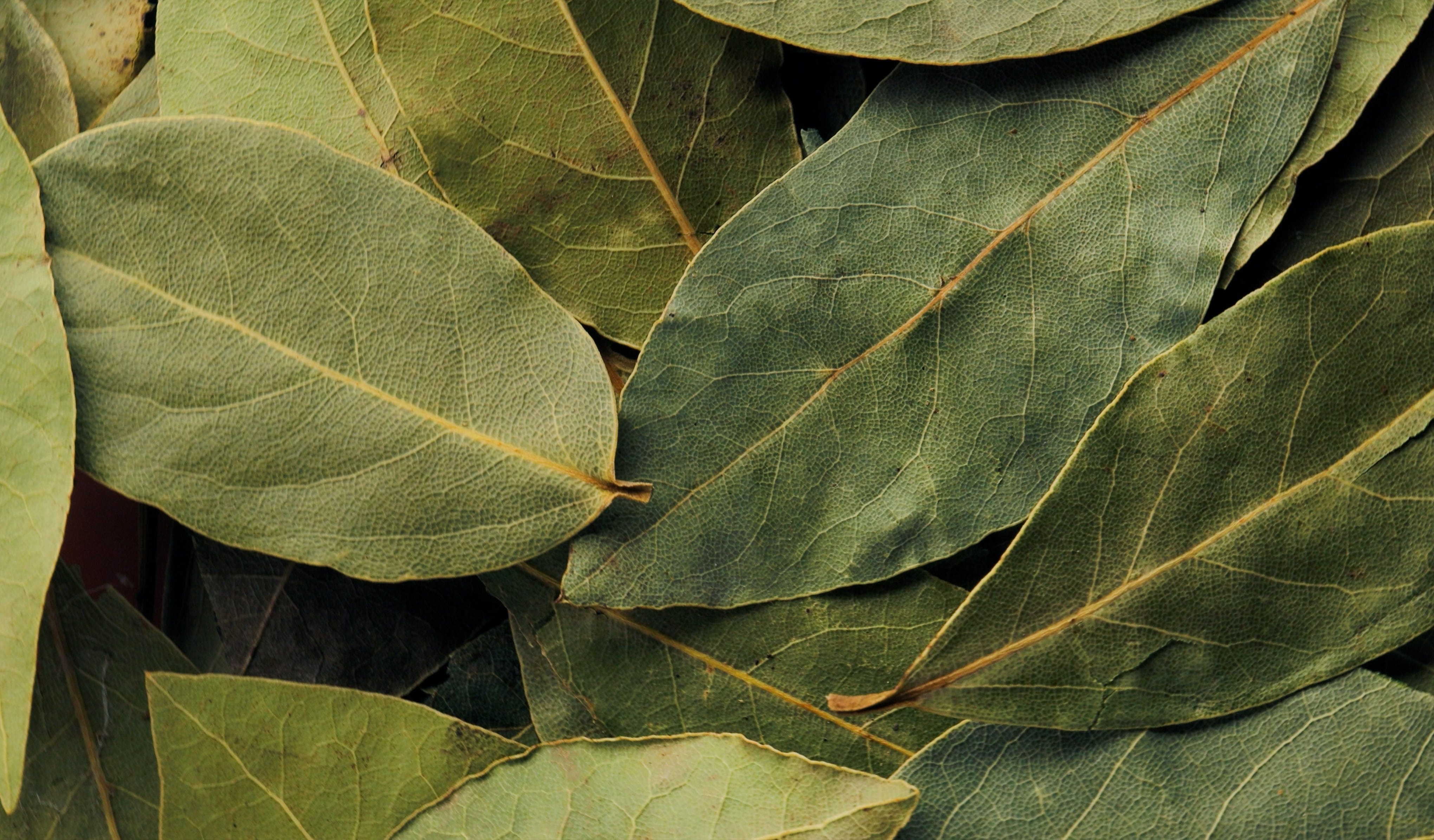
Somewhere along the way, bay leaves stopped being an unremarkable pantry staple and turned into a punchline. People wonder whether they do anything at all. They confess to decades of dutiful use with no discernible memory of flavor. They trade stories of biting down on one accidentally and wondering why such a hostile object was ever allowed near food.
I think the current round of bay leaf skepticism can be traced to a 2023 Atlas Obscura article that unleashed a wave of snarky comments and TikTok videos. The tone was often gleefully cynical. Are bay leaves just culinary theater? Are we all pretending they matter because recipes tell us to?
I make a case for bay leaves on this episode of Press Play with Madeleine Brand.
I actually love how unprepossessing they look. So plain, drab really, and so dry. It’s easy to imagine a human centuries ago throwing a dried leaf they found on the ground and dropping it into a pot of water suspended over a fire.
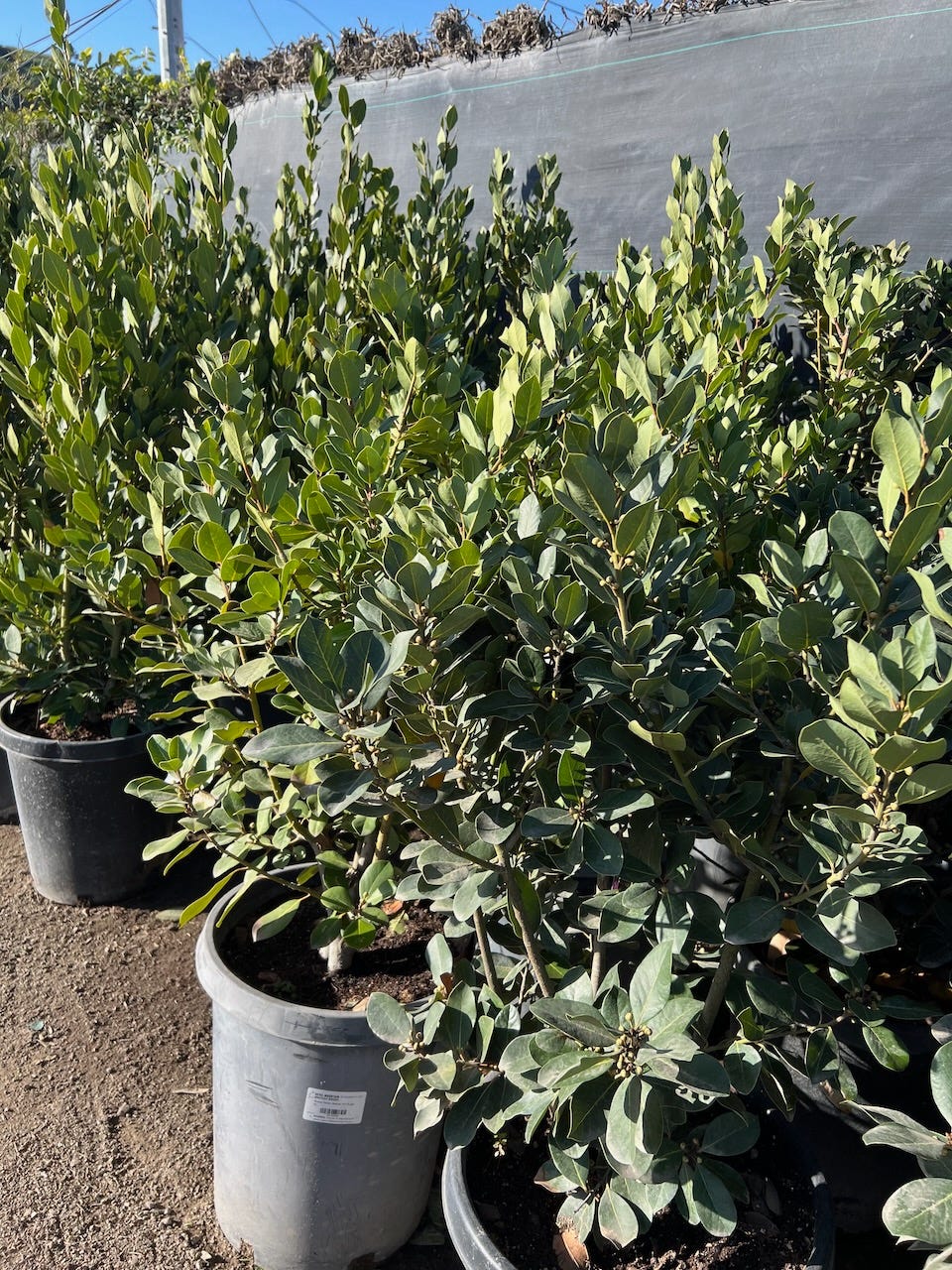
Bay leaves come from several plants, but the classic culinary bay is Laurus nobilis, native to the Mediterranean. That’s the leaf that anchors French, Italian, and much of Mediterranean cooking. Here in California, we have Umbellularia californica, the California bay, which is far more pungent and resinous than its Mediterranean cousin. If you grew up here, you probably played with the leaves or the fruit at some point. They’re everywhere. Recently, when René Redzepi came to KCRW for an event, he handed out California bay leaves and encouraged people to make tea with them. It’s long been used as an Indigenous remedy. Elsewhere in the world, there’s Indian bay leaf, known as tej patta, with warm notes of cinnamon and clove, and Indonesian bay, or daun salam. Aromatic, yes, but very different personalities.
One of the most common bay-leaf experiences is forgetting to remove one from a finished dish, biting into it, and immediately regretting your life choices. Bay leaves are not meant to be eaten. They’re used to infuse liquid rich dishes like stocks, soups, beans, braises, and then be discarded. This isn’t strange at all. We don’t eat tea leaves after brewing tea. We don’t chew on the remains of a bouquet garni after it’s done its job. Using a bay leaf is like tea, an infusion.
They’re used whole for a reason. Crushing or grinding bay releases harsher, almost medicinal flavors. Left intact, the leaf releases its aroma slowly and steadily over time which is perfect since the leaves are background players. They don’t announce themselves the way garlic or fresh herbs do. Instead, they add structure. Think bass notes rather than melody. They create depth and roundness, subtly reinforcing savory flavors and preventing long cooked dishes from veering into flat or over-sweet flavors. They balance things in the pot.
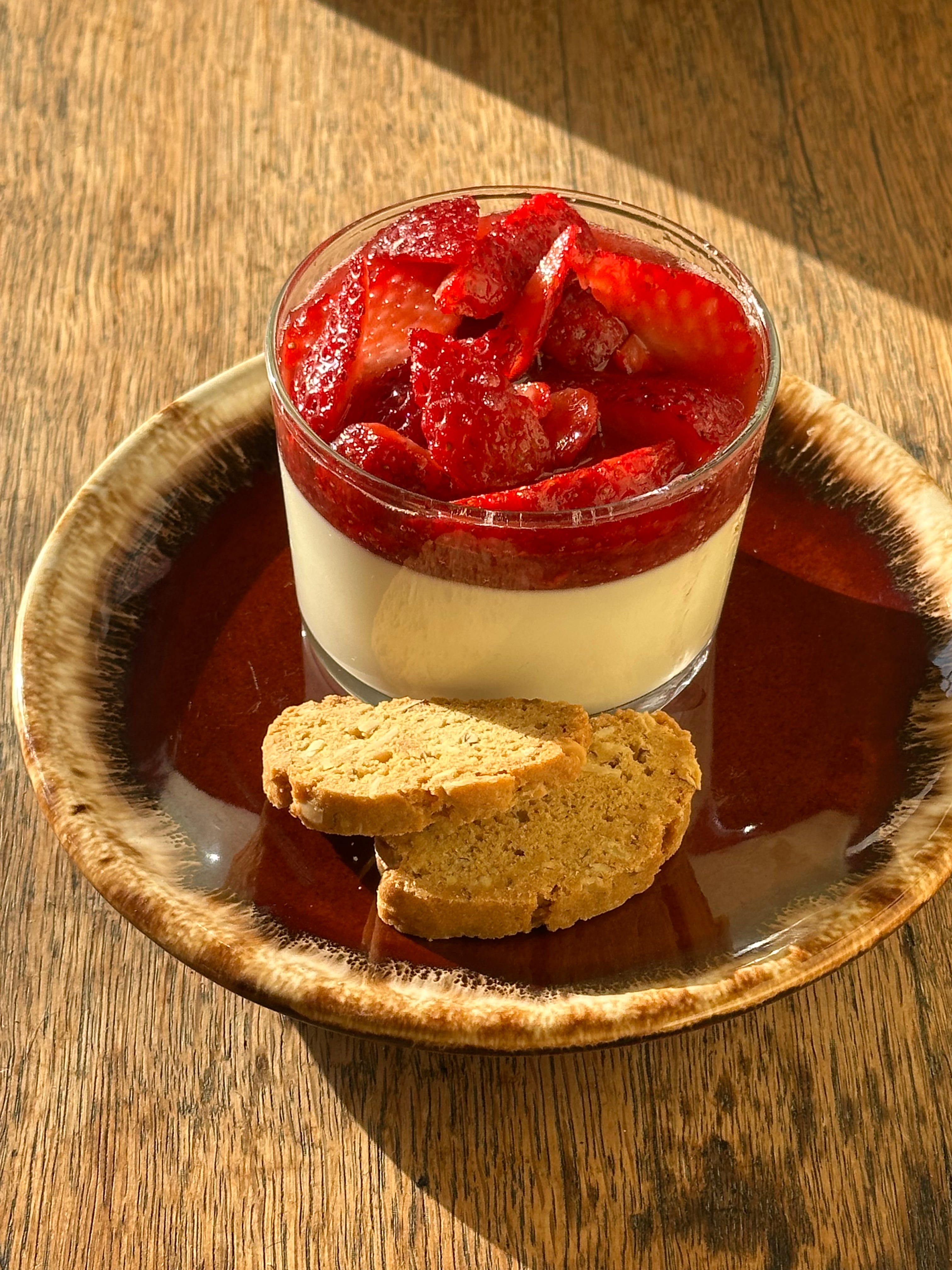
As for fresh versus dried, I tend to prefer dried. I cut a small branch from my tree and let it dry in the shade before using the leaves with some exceptions. Fresh bay can be aggressive, nearly eucalyptus-like if you break them open. Drying softens and rounds the flavor, bringing it closer to thyme or oregano. With cooking, it mellows even further. One of the fresh leaf exceptions I love is infusing cream or a mixture of cream and milk for a Bay Leaf Panna Cotta. I saw that Funke pastry chef Shannon Swindle put the fragrant dessert on his latest dessert menu. He uses fresh leaves from Coleman Family Farms and I trust him.
Bay leaves don’t exactly go bad, but they do fade. Like all dried herbs, they lose volatile aromas over time. If you have a jar that’s followed you across multiple apartments and time zones, it’s probably not doing much for your food anymore. That said, bay leaves are useful beyond cooking. Their aromatic oils repel insects, which is why I keep a couple loose in my spice drawer. Some cooks tuck them into containers of rice or flour.
They’re also easy to grow. The Mediterranean bay does beautifully in a pot, from partial shade to full sun, but the more sun the plant gets, the stronger the flavor of the leaves. Once established, it’s drought-tolerant and low-maintenance. I do recommend keeping it contained. I planted one in the ground, (see above video) and it’s now twenty feet tall and something of a nuisance, though I will never lack bay leaves.
There aren’t really “bay leaf recipes,” so much as dishes where bay leaves quietly shine. Both pickles and seafood boils rely on them. Gordon Ramsay heats cream with a bay leaf before folding it into mashed potatoes. Ottolenghi cooks apples for a roulade with brown sugar, cinnamon, and bay. They appear in biryani, Elisabeth Luard adds them to her rice pudding, and Gabrielle Hamilton uses them in her white borscht with kielbasa, potatoes, dill, and bay.
Once you start looking, you see their utility everywhere. Add one to any soup or stew you already make. Slip half a leaf into risotto and remove it before serving. You may never point to the bay leaf and say, “That’s it!” But you’ll notice when it’s gone, and that’s exactly the point.
I LOVE bay leaves. And I actually prefer them fresh, over dried. I love that slightly balsamic note they add to stews and sauces. And yes there are actually recipes for bay leaves! As you well know we have tons of bay growing in Umbria, and I decided last year to make liqueur. Here are my two posts in case anyone out there wants to try https://elizabethminchilli.substack.com/p/bay-leaf-liqueur and https://elizabethminchilli.substack.com/p/homemade-italian-liqueurs .
When I was a child and I had a tummy ache my Italian grandmother would make me bay leaf tea with a little sugar which ALWAYS made me feel better. I highly recommend it!